Cosmetic Dentistry Bakersfield CA for Whitening and Reshaping
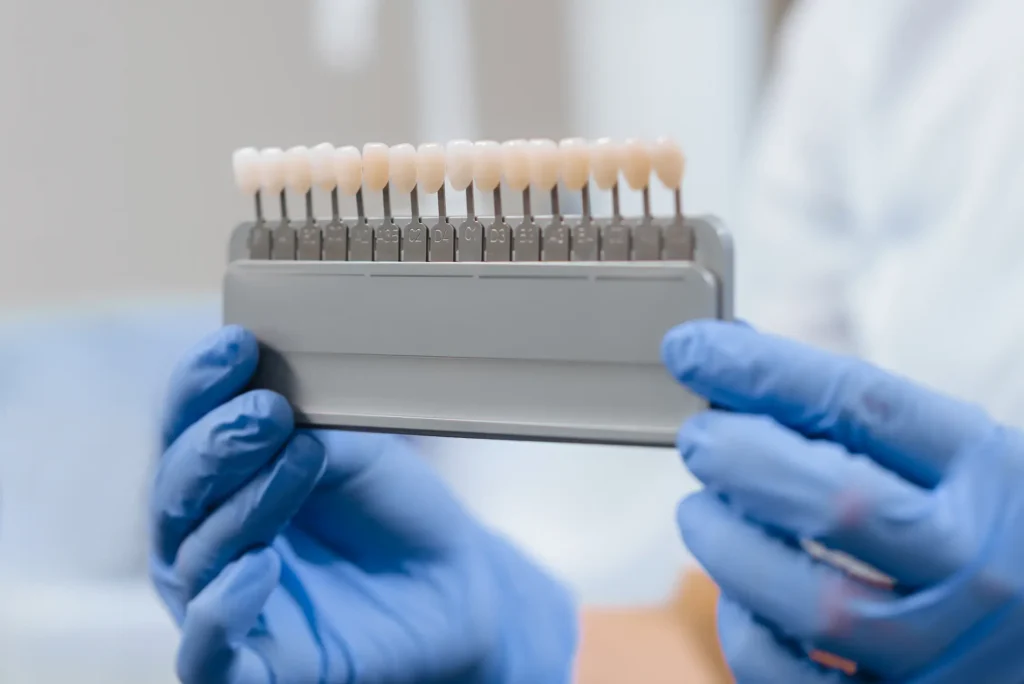
A brighter, more balanced smile can change the way a person moves through the day. That is not marketing language, it is something you see repeatedly in practice. People speak more freely in meetings, stop covering their mouths in photos, and often become far less self-conscious in routine conversations. For many patients, the goal is not a dramatic celebrity makeover. It is usually simpler than that. They want teeth that look clean, even, and healthy, without calling attention to the dental work itself.
That is where whitening and reshaping tend to matter most. These treatments often deliver the fastest visible improvement with the least disruption to daily life. In a city like Bakersfield, where people juggle work, family schedules, outdoor activities, and public-facing jobs, practical cosmetic dentistry has strong appeal. Patients commonly ask for options that feel worth the investment, preserve natural tooth structure, and fit into a normal week.
When people search for Cosmetic Dentistry Bakersfield CA, they are often trying to solve one of a handful of concerns. Their teeth may look darker than they used to. The front edges may be chipped or uneven. One tooth might sit slightly out of line and throw off the whole smile. In many of these cases, whitening and reshaping are the first places to look, either alone or as part of a larger plan.
Why whitening and reshaping are often paired
Color and shape influence each other more than most people realize. A tooth can be healthy and straight, yet still look aged because it has picked up deep staining over time. On the other hand, a tooth can be quite white and still feel unattractive because the edge is jagged or the proportions are off. Addressing only one issue sometimes leaves the patient feeling that something still looks unfinished.
A common example involves the two upper front teeth. If they are slightly uneven in length, even by a millimeter or two, the eye notices it immediately. Add coffee or tea staining, and the smile can start to look tired. Whitening can make the teeth look fresher, but if the edges remain irregular, the result may still feel incomplete. Light enamel reshaping, or contouring, can refine those edges in a conservative way. When done carefully, the combined effect can be subtle and striking at the same time.
This pairing also helps from a planning standpoint. If a patient is considering bonding or veneers later, it often makes sense to establish the target shade first. The natural teeth can be whitened, then any added material can be matched to the new color. Without that sequence, a patient sometimes ends up replacing perfectly acceptable cosmetic work simply because the surrounding teeth changed shade.
What professional whitening actually does
Professional whitening works by using peroxide-based gels that penetrate the enamel and break apart stain compounds. It is not the same as a surface polish. A cleaning removes plaque, tartar, and some external discoloration. Whitening changes the internal color of the tooth to a degree, which is why it can produce a more noticeable shift.
That said, not every stain responds equally. Yellow-toned teeth usually brighten better than gray-toned teeth. Staining from coffee, tea, red wine, and tobacco often improves well. Some discoloration caused by trauma, certain medications, or developmental conditions can be much more resistant. This is one reason an in-person exam matters. Patients often come in assuming they need veneers when whitening would be enough, and just as often, they assume whitening will solve a problem that actually needs bonding or porcelain.
In-office whitening appeals to patients who want faster results. It is typically completed in a single visit or over a short series of visits, depending on the system used and the degree of staining. Custom take-home trays offer more gradual whitening and often greater control for people with sensitivity. In many cases, the best outcomes come from combining both approaches: an initial in-office boost followed by home maintenance with dentist-made trays.
The practical reality is that whitening is not permanent. Teeth live in the real world. Coffee, tea, dark sodas, berries, tomato-based sauces, tobacco, and simple age-related changes continue to affect shade. Most patients need occasional touch-ups. That does not mean the treatment failed. It means maintenance is part of the deal, just as it is with hair color or skin care.
When whitening is not the right first step
One of the more important conversations in cosmetic care is knowing when to pause before whitening. If a patient has cavities, leaking fillings, gum inflammation, exposed roots, or significant enamel wear, those issues should be addressed first. Whitening healthy teeth is straightforward. Whitening compromised teeth can lead to sensitivity, uneven results, or frustration.
Restorations also matter. Fillings, crowns, and veneers do not whiten the way natural enamel does. If a front tooth crown was matched years ago and the natural teeth are whitened now, that crown may suddenly look darker or more yellow by comparison. This does not rule out whitening, but it changes the treatment plan. Sometimes the right move is to whiten first, let the shade stabilize, then replace older visible restorations so everything blends.
Patients with very thin enamel or pre-existing sensitivity may still be good candidates, but the approach needs adjustment. Lower concentration gels, shorter wear times, desensitizing products, and a slower schedule can make a substantial difference. This is where experienced cosmetic judgment matters more than a one-size-fits-all whitening kit.
The role of enamel reshaping
Enamel reshaping, also called contouring, is one of the most underestimated tools in cosmetic dentistry. It involves removing very small amounts of enamel to improve symmetry, soften chips, smooth rough edges, or adjust minor shape issues. The changes are often measured in fractions of a millimeter, yet they can alter the visual balance of a smile dramatically.
Done properly, reshaping is conservative and efficient. There is no laboratory phase, no anesthesia in many cases, and no long recovery. A patient with a small chip on one central incisor and a slightly bulky corner on the adjacent tooth can sometimes leave the same appointment with a smile that looks noticeably more polished, while no one can pinpoint what changed.
This treatment does have limits. Reshaping cannot make large teeth into tiny ones, fix meaningful crowding, or replace lost tooth structure when the enamel is already thin. It also has to respect function. The front teeth guide certain chewing and biting movements, so cosmetic adjustment should not create a bite problem. Good cosmetic dentistry is always tied to biology and mechanics, not just aesthetics.
In Cosmetic Dentistry Bakersfield CA practices, contouring is frequently used as the finishing touch after orthodontics, whitening, or bonding. Teeth can be straight and clean, but still look slightly unfinished if one edge is longer, one corner is flat, or one canine appears too pointed. These small refinements are often what make the smile look natural rather than obviously treated.
Bonding, contouring, and veneers, knowing the difference
Patients often use the term "reshaping" to describe several different procedures. It helps to separate them. Contouring removes a small amount of enamel. Bonding adds tooth-colored resin. Veneers cover the front surface of the tooth with porcelain or another ceramic material. All three can improve shape, but they differ in cost, longevity, maintenance, and how much tooth structure they involve.
If the issue is a tiny Cosmetic Dentistry Bakersfield CA toothworksofbakersfield.com chip, mild asymmetry, or a tooth edge that catches the eye in the wrong way, contouring may be enough. If a tooth is short, has a gap beside it, or needs additional volume, bonding may be the better fit because material has to be added rather than removed. Veneers come into the picture when color, shape, alignment, and surface quality all need more significant correction, or when a patient wants a more controlled redesign.
A sensible cosmetic dentist will not push the biggest treatment when a smaller one can do the job. That matters because more treatment is not always better. A conservative result that fits the face, bite, and budget is often the most satisfying result.
What makes a good candidate in Bakersfield
The best candidates for whitening and reshaping usually have healthy gums, stable teeth, and realistic expectations. They are not necessarily people with perfect dental histories. Many are adults who have had routine wear and staining accumulate over years. They may have old composite fillings on the front teeth, slight unevenness from grinding, or one darkened tooth that started bothering them in photos.
Lifestyle plays a role too. Bakersfield patients who spend long days working outdoors or in public-facing roles often want treatments that look polished without seeming overdone. Teachers, sales professionals, real estate agents, medical staff, and business owners often ask for changes that make them look rested and put-together. A subtle brightening and cleaner tooth outline can do exactly that.
Age is less important than condition. A healthy 22-year-old and a healthy 62-year-old can both be good candidates. The difference lies in enamel thickness, wear patterns, past dental work, and the underlying cause of discoloration or irregularity.
What to ask during a cosmetic consultation
The consultation is where a lot of disappointment can be prevented. A dentist should examine the teeth, gums, bite, enamel condition, and any visible restorations before promising a shade or shape outcome. Good consultations are rarely rushed because small details matter. How a patient smiles naturally, whether they show more tooth on one side, how the lip line frames the front teeth, and whether they clench at night all influence the plan.
These questions usually lead to a better decision:
- What is causing the discoloration or shape issue?
- Will whitening look even with my current fillings, crowns, or bonding?
- How much enamel can safely be reshaped in my case?
- What kind of sensitivity should I expect, and how is it managed?
- If I want additional cosmetic work later, what sequence makes the most sense?
Those questions reveal whether the dentist is thinking beyond a single procedure. They also help patients understand trade-offs before money is spent.
The real issue of sensitivity
Sensitivity is the complaint patients worry about most with whitening, and for good reason. It is common, but it is usually temporary and manageable. The classic description is brief zingers, often triggered by air, cold water, or nothing obvious at all. Some people feel almost nothing. Others need a slower pace.
Teeth that are already worn, cracked, or receded tend to react more strongly. So do patients who grind their teeth or have recently had a cleaning with exposed root surfaces. That does not mean they cannot whiten. It means the plan needs to account for what their teeth can tolerate.
A measured approach helps. Sometimes a patient who struggled with store-bought strips does very well with custom trays used every other day, combined with a desensitizing gel. In-office whitening may still be possible, but under tighter control. There is no prize for getting to the brightest shade in a single day if the patient spends the next week miserable.
Reshaping, by contrast, usually causes very little postoperative discomfort when the case is selected properly. Since only small amounts of outer enamel are adjusted, most patients do not need anesthesia and return to normal function immediately. The key is restraint. Aggressive contouring in the wrong hands can create sensitivity or compromise the tooth. Conservative contouring done well should feel uneventful.
Cost, value, and how patients usually decide
Cosmetic treatment decisions are rarely made on appearance alone. Cost matters, and so does value. Professional whitening is often one of the more accessible cosmetic procedures, especially compared with veneers or full smile redesigns. Reshaping is also relatively efficient when the indication is right. Bonding, if needed alongside reshaping, typically falls somewhere in the middle depending on the number of teeth and complexity.
What patients are really weighing is not just price, but whether the result will be noticeable, natural, and durable enough to justify the expense. Someone preparing for a wedding, job change, milestone birthday, or heavy photo season may place a high value on a quick visible improvement. Another patient may prefer to spread treatment over time, starting with whitening and delaying anything more involved.
There is also a maintenance cost to think about. Whitening touch-ups, replacement of worn bonding over the years, and occasional polishing are normal parts of preserving the look. Cosmetic dentistry works best when it is approached as care, not a one-time event that never needs attention again.
A typical timeline from first visit to finished smile
One reason whitening and reshaping are popular is that the timeline is often manageable. The sequence depends on the patient, but it commonly unfolds over days or a few weeks rather than months.
A straightforward path might look like this:
- Exam, photos, and discussion of goals.
- Cleaning or basic treatment first, if needed.
- Whitening, either in-office, at home, or both.
- Shade stabilization, then any reshaping or bonding refinements.
- Follow-up to check comfort, polish details, and review maintenance.
That pacing gives the teeth time to settle and allows the final contouring or bonding to match the new shade more accurately. It also gives the patient a chance to live with the whitening result before deciding whether further refinement is necessary.
The difference between natural and overdone
Patients are often wary of cosmetic dentistry for one simple reason: they have seen poor cosmetic dentistry. Overly opaque veneers, teeth that are too square for the face, unnaturally uniform lengths, or shades so bright they flatten the smile instead of enlivening it. Good whitening and reshaping move in the opposite direction. They preserve individuality while removing distractions.
Natural-looking cosmetic work respects age, facial features, skin tone, lip movement, and the character of the existing teeth. A 45-year-old attorney should not necessarily have the same tooth shape or shade target as a 23-year-old influencer. Likewise, a patient with a broad, expressive smile may need different edge shaping than someone who shows very little tooth at rest.
This is where artistry meets restraint. The goal is rarely perfection in the abstract. It is harmony. When the smile fits the face, people notice the person, not the dentistry.
Bakersfield considerations that patients sometimes overlook
Local habits and environment can influence cosmetic results more than patients expect. Bakersfield's heat can contribute to dry mouth in some people, especially those who work outdoors or take medications that reduce saliva. A dry mouth tends to make the teeth feel less comfortable during whitening and can increase stain accumulation over time because saliva normally helps buffer the mouth and rinse surfaces.
Diet matters too. Frequent iced coffee, energy drinks, sweet tea, red sauces, and tobacco use all affect whitening longevity. This is not about demanding perfect habits. It is about being honest. A patient who drinks multiple dark beverages daily should expect touch-ups sooner than someone who does not. The right plan is the one that matches the patient’s real life, not an idealized version of it.
For patients exploring Cosmetic Dentistry Bakersfield CA options, convenience often matters nearly as much as aesthetics. Scheduling, maintenance, and follow-up should be realistic. Cosmetic treatment that fits into daily life tends to get finished and maintained. Treatment that feels burdensome often stalls.
How to keep the result looking good
Once teeth are whitened and reshaped, the next challenge is preserving the result. Maintenance is not glamorous, but it makes the difference between a smile that looks refreshed for years and one that fades quickly.
Regular cleanings help remove new external staining before it sets in. Touch-up whitening, usually with custom trays or a dentist-recommended system, keeps the shade from drifting too far. A nightguard can be crucial for patients who grind, especially if the front edges were contoured or bonded. Even beautifully balanced teeth can chip or flatten again under heavy clenching forces.
Patients do best when they understand what to avoid in the first 48 hours after whitening, since the teeth may pick up stain more easily during that period. After that, it is mostly common sense and consistency. Rinse after dark beverages if brushing is not practical. Do not use highly abrasive whitening toothpastes aggressively. Address bite problems, acid erosion, and grinding before they undo cosmetic gains.
Choosing the right provider
Not every dental office approaches cosmetic care with the same philosophy. Some focus on speed and sales. Others are meticulous but conservative. For whitening and reshaping, conservative usually wins. The best provider is often the one who can explain why a tiny adjustment will help, why a bigger one is unnecessary, or why the patient should wait until gum inflammation or enamel wear is addressed first.
Before-and-after photos of similar cases can be helpful, especially when the results look believable and not heavily edited. A careful exam, candid discussion of limitations, and willingness to stage treatment are all good signs. Cosmetic dentistry should feel collaborative, not pressured.
When patients seek Cosmetic Dentistry Bakersfield CA services for whitening and reshaping, they are often closer to their goal than they think. A brighter shade, smoother edges, and better symmetry can make a substantial impact without changing the essential character of the smile. The best work often looks simple from the outside. In reality, it reflects careful diagnosis, restraint, and a clear understanding of what matters most to the person sitting in the chair.
Toothworks of Bakersfield, Dentist and Orthodontist
Address: 1030 H St #1, Bakersfield, CA 93304
Phone number: +16613239421
FAQ About Cosmetic Dentistry Bakersfield CA
What is considered cosmetic dentistry?
Cosmetic dentistry includes any dental treatment focused primarily on improving the appearance of your teeth, gums, or bite rather than treating a disease or restoring basic function.
How much does cosmetic dentistry usually cost?
The cost of cosmetic dentistry typically ranges from a few hundred dollars for minor touch-ups to over $20,000 for a comprehensive smile makeover, depending entirely on the specific procedure, materials used, and how many teeth are treated. Because most cosmetic treatments are elective, they are usually paid out of pocket without insurance coverage.
Is there a difference between a regular dentist and a cosmetic dentist?
Yes, a regular dentist focuses on your overall oral health and preventing disease, while a cosmetic dentist focuses on improving the look of your smile.