Dental Bonding Aftercare Tips to Keep Your Smile Looking Great
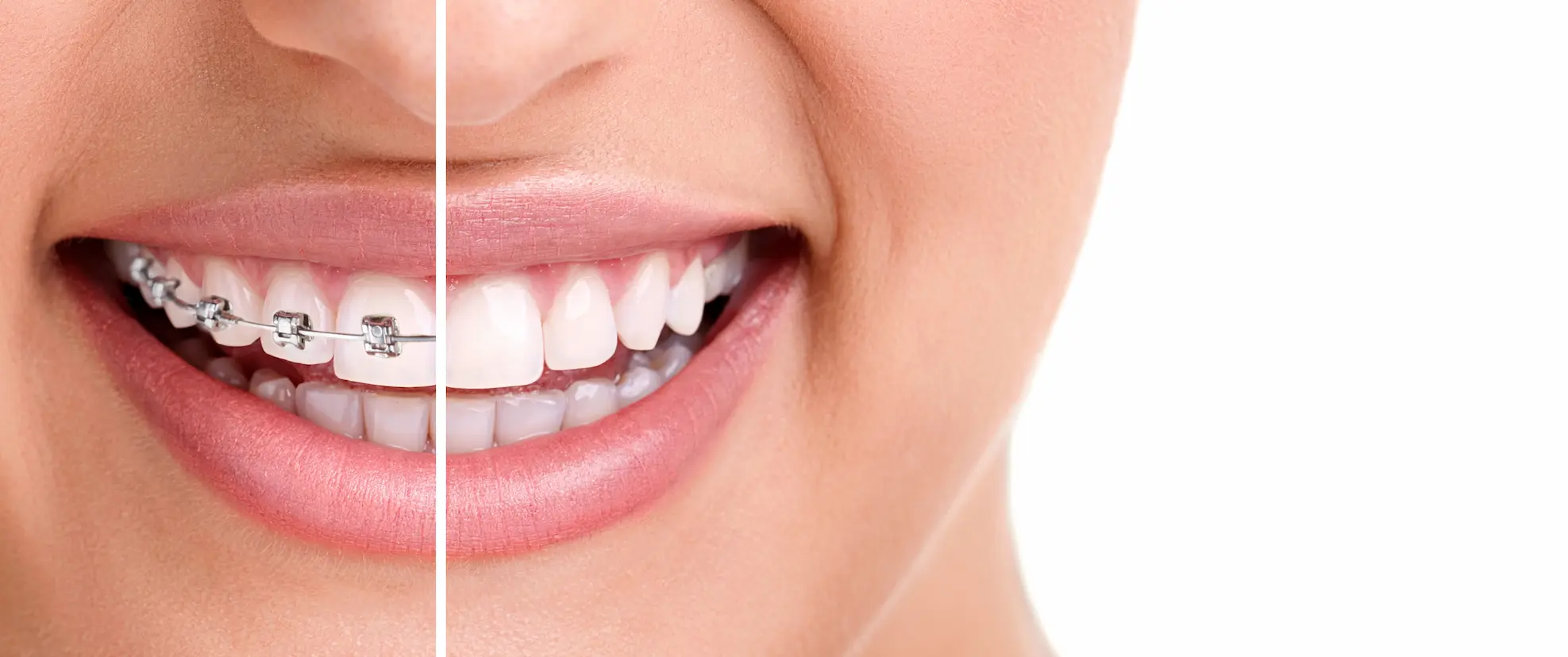
Dental bonding can make a surprisingly big difference with very little drilling, very little downtime, and a much lower cost than veneers or crowns. I have seen patients walk out of the office feeling relieved that a chipped edge is gone, a dark spot no longer catches the light, or a small gap that bothered them for years has finally disappeared. That immediate cosmetic payoff is part of the appeal.
What many people do not realize is that bonding looks its best when the aftercare is just as thoughtful as the treatment itself. Composite resin is durable, but it is not indestructible. It can stain, wear, or chip if it is treated like natural enamel without any adjustment in habits. Good aftercare is not complicated, but it does require a little attention in the first few days and some consistency over time.
If you want your dental bonding to keep blending in naturally with the rest of your smile, the key is understanding what the material can handle, what tends to shorten its lifespan, and when a small issue deserves a call to your dentist.
What makes bonded teeth a little different
Dental bonding uses a tooth-colored composite resin that is shaped directly onto the tooth and then hardened with a curing light. The finished result can look very natural, especially when the shade match and contouring are done well. But bonded resin is not the same as enamel. Enamel is harder and more stain resistant. Composite resin is slightly more porous, a bit more vulnerable to surface wear, and more likely to pick up discoloration over time.
That distinction matters in everyday life. A bonded front tooth may look perfect right after treatment, then start to lose some polish if you bite your nails, chew ice, or sip coffee all day without rinsing. The changes are usually gradual, which is why people sometimes think the bonding "just did not last," when in reality the material was subjected to a lot of stress.
Most bonding lasts several years, often somewhere in the range of three to ten years depending on the size and location of the repair, bite forces, oral hygiene, and lifestyle habits. A tiny repair on the edge of a front tooth has a different future than a larger bonded area on a tooth that takes heavy contact during chewing. The better you understand those trade-offs, the easier it is to protect your investment.
The first 48 hours matter more than people think
Bonding is cured and functional before you leave the office, so it is not as if you have to baby it for weeks. Still, the first couple of days are a smart time to be cautious. Freshly polished composite can pick up stains more easily, and if your bite feels even slightly off, you may not notice the problem until you have already put repeated pressure on one spot.
Many dentists give patients some version of the same advice: avoid strongly staining foods and drinks right away, chew carefully until the area feels normal, and pay attention to roughness or premature contact. If your front tooth bonding hits before the others when you close, that needs adjusting. A small high spot can make a bonded edge chip much sooner than expected.
A practical way to think about the first two days is to treat the tooth like a nice white shirt. It is wearable, but you do not reach for red wine and tomato sauce immediately if you can avoid it. Coffee, tea, cola, curry, berries, soy sauce, and tobacco are the usual culprits. If you do have them, rinsing with water right after helps.
The habits that preserve the polish
Long-term success with dental bonding often comes down to friction, force, and pigment. Friction dulls the surface. Force creates chips or fractures. Pigment leads to staining. Almost every aftercare recommendation fits one of those three problems.
Brushing is a good example. Clean teeth protect bonding, but aggressive brushing with a hard-bristled brush can scratch the surface over time. Once that glossy finish is lost, stains cling more easily. A soft toothbrush and non-abrasive toothpaste are better choices. Whitening toothpastes are a common problem here because many rely on abrasives to scrub away stain. That may sound helpful, but on bonding it can roughen the resin while doing very little to truly "whiten" it.
Flossing matters just as much. Bonding near the gumline or between teeth tends to fail earlier when plaque sits around the margins. The bond between resin and tooth needs a clean environment. If gums stay inflamed and plaque accumulates, the edges can stain and the restoration starts to stand out.
Mouth habits are another big factor. Nail biting, pen chewing, opening packages with your teeth, and crunching ice all put sharp, concentrated stress on resin. Natural teeth dislike those habits too, but bonding usually loses that battle first.
Eating and drinking without shortening the life of your bonding
Patients sometimes hear "avoid staining foods" and assume that means a joyless diet. It does not. It just means being strategic. Frequency often matters more than occasional exposure. A person who drinks one cup of coffee with breakfast and then rinses with water will usually have fewer stain issues than someone who sips coffee over four hours every morning.
The same principle applies to acidic drinks. Soda, sports drinks, and citrus-heavy beverages do not directly dissolve composite the way they affect enamel, but they can contribute to an environment where surfaces wear and plaque accumulates more easily. If you pair acid with constant sipping, your whole mouth pays the price.
Crunchy foods are not off limits, but context matters. Biting straight into a hard baguette crust with heavily bonded front teeth is different from tearing smaller pieces and chewing with your back teeth. If the bonding repaired a chip on an incisor edge, use a little judgment with apples, crusty bread, hard candies, and tough meats.
A simple rule works well here: if you would hesitate before using that tooth to tear, crack, or grip something, do not do it.
Daily care that actually helps
Most people do not need a complicated routine. They need a routine they will consistently follow. The basics are still the basics, just with a few bonding-specific adjustments.
- Brush twice a day with a soft-bristled toothbrush and a gentle, non-abrasive toothpaste.
- Floss daily, especially around the bonded tooth, to keep margins clean and gums healthy.
- Rinse with water after coffee, tea, red wine, or deeply pigmented foods when brushing is not possible.
- Use front teeth gently, particularly if the bonding is on an edge or corner.
- Keep regular dental cleanings so your dentist can polish the resin and check for early wear.
That last point deserves emphasis. Professional maintenance can extend the appearance of dental bonding in a very practical way. Surface stains that make bonding look old are sometimes just polish-related, not structural failure. A hygienist or dentist can often improve the look with careful polishing, and they can tell the difference between harmless surface discoloration and a bond that is starting to break down.
Why whitening products create confusion
One of the most common disappointments after dental bonding comes when patients whiten their teeth and then notice that the bonded area no longer matches. Whitening products do not lighten composite resin the way they lighten natural enamel. The surrounding teeth may become brighter while the bonding stays the same color, which makes a once-seamless restoration more obvious.
This does not mean you can never whiten your teeth if you have bonding. It means you should plan around it. If you are considering whitening, talk to your dentist first. Often the smarter sequence is to whiten your natural teeth, let the shade stabilize, and then place or replace the bonding to match the brighter color. Doing it the other way around can leave you chasing a mismatch.
Over-the-counter whitening strips can also be irritating if the bonded area is near the gumline, especially if the fit is poor and the gel contacts soft tissue. They will not damage the bonding in a dramatic way, but they can create unrealistic expectations and sometimes make patients feel their bonding has "turned yellow," when the real issue is that everything else has turned lighter.
Night grinding can quietly destroy good dental work
If bonded teeth keep chipping and you feel like you are doing everything right, grinding may be the hidden reason. Bruxism, whether at night or during the day, places repeated force on the front teeth and can be especially rough on edge bonding. Some patients do not know they grind until they hear it from a partner or their dentist sees flattened enamel, craze lines, or sore jaw muscles.
In practice, this matters a lot. A patient may swear they never bite ice, never chew pens, and are meticulous about oral hygiene, yet their bonding chips every year. Then they start wearing a night guard and the pattern changes. Suddenly the restoration lasts much longer.
If your dentist has ever mentioned clenching or grinding, take that advice seriously. A custom night guard is often far cheaper than repeating cosmetic repairs. It also protects natural teeth, not just the bonding.
Small warning signs that should not be ignored
Bonding rarely fails without giving some clue first. The clue may be subtle: a tiny rough edge you feel with your tongue, a stain line at the margin, or a slight change in how the tooth meets the opposing one. These are worth mentioning early, when the fix is often quick and conservative.
A rough spot does not always mean the bond is coming off. Sometimes it is just minor wear or a polished area that has dulled. But if food starts catching, floss shreds, or the edge feels thinner than before, let your dentist take a look. Catching a small defect early can mean a simple touch-up instead of replacing a larger section.
Sensitivity can happen too, though it is usually temporary. If a bonded area remains sensitive to cold or pressure beyond the normal adjustment period, there may be another issue involved, such as an exposed margin, bite imbalance, or an underlying crack in the tooth that was not obvious before treatment.
When to call your dentist
There is no benefit in waiting weeks to see whether a chipped or rough bonded tooth "settles down." Composite does not heal itself. Early evaluation often keeps the repair smaller and cleaner.
- A piece of the bonding chipped off or the shape visibly changed.
- The tooth feels rough, catches floss, or traps food in a new way.
- Your bite feels off and that tooth hits first when you close.
- You notice a dark line, stain, or gap at the edge of the bonding.
- The tooth stays sensitive or becomes painful after the initial recovery period.
One practical point many people miss: if a bonded edge breaks, save the fragment if you can find it and call promptly. The fragment itself is not always reusable, but knowing exactly when and how it happened can help your dentist determine whether the issue was trauma, bite stress, or simple wear.
Dental cleanings are not just cosmetic maintenance
Routine cleanings do more than remove tartar. They give the dental team a chance to monitor how your bonding is aging in the real world. Is the gloss holding up? Are the margins still sealed? Has your bite shifted? Are you developing staining patterns from smoking, coffee, or mouth breathing? These things are much easier to spot in the chair than in your bathroom mirror.
It is also worth mentioning that not every polishing paste and instrument should be used the same way on composite as on untouched enamel. Skilled hygienists know how to clean around bonded surfaces without unnecessarily scratching them. If you have several bonded teeth, mention it at your hygiene appointment even if it is in your chart. That small reminder can shape how the appointment is approached.
Patients sometimes skip checkups because their bonding still looks fine from a conversational distance. Then they come in when a corner suddenly breaks, only to learn the margins had been staining and thinning for a while. Cosmetic dentistry ages gradually until it does not. Regular exams help you stay ahead of that moment.
Smoking and vaping deserve an honest mention
Smoking is hard on dental bonding for obvious reasons. Tar and nicotine stain composite quickly, often faster than natural enamel. The discoloration tends to be more stubborn too, because resin can absorb pigment into microscopic surface irregularities. Even with good brushing, smokers often notice bonded areas turning dingy around the edges.
Vaping is sometimes assumed to be harmless from a cosmetic standpoint, but it is not automatically safe for your smile. While the staining pattern may differ from cigarettes, dry mouth and heat exposure are not doing your oral tissues any favors, and flavored liquids can still contribute to plaque and discoloration patterns over time.
If you are trying to keep bonded front teeth bright, reducing tobacco exposure is one of the most visible improvements you can make. It changes not just the color stability of the bonding, but the health of the gums framing the smile.
Children, teens, and athletes need slightly different advice
Bonding is often used for teenagers who chip a front tooth during sports or roughhousing. In that setting, aftercare includes something adults sometimes neglect: a sports mouthguard. If the original injury happened on a basketball court, soccer field, or skateboard ramp, the repaired tooth is not magically exempt from the next hit.
Teens also tend to snack frequently and sip colored drinks throughout the day, which creates a stain cycle that parents may not notice until photos make it obvious. For younger patients, the aftercare conversation is teeth bonding treatment often less about toothpaste brands and more about habits, especially sports drinks, energy drinks, and chewing on bottle caps or hoodie strings.
Adults with bonding on lower incisors often have a different pattern. They may chip due to crowding, a deep bite, or years of subtle grinding. Their aftercare plan may need more emphasis on occlusion and nighttime protection than on sports trauma.
How long dental bonding really lasts
Patients usually want a simple number, but the useful answer is more nuanced. Small cosmetic bonding on a tooth that is kept clean, protected from heavy bite stress, and not constantly exposed to stain can look good for many years. Larger bonding repairs, edge bonding in people who grind, and bonding on teeth with less-than-ideal bite relationships tend to need maintenance sooner.
In everyday clinical terms, there are two kinds of longevity to think about. Structural longevity is how long the material stays intact. Esthetic longevity is how long it stays polished, color matched, and invisible to the casual eye. A bonded tooth may be structurally fine but esthetically ready for a refresh because the edges have picked up stain or lost luster. That distinction matters because not every aging restoration needs total replacement.
Sometimes all that is needed is contouring and polishing. Sometimes a stained margin can be repaired conservatively. And sometimes the smartest move is replacement, especially if the original bond is bulky, repeatedly chipping, or no longer matches the surrounding teeth.
The best aftercare is realistic, not perfect
People tend to do best when the advice fits their actual life. A coffee drinker may not stop drinking coffee, but they can stop sipping it all morning. Someone who grinds may not be able to will that habit away, but they can wear a night guard. A teenager may not become meticulous overnight, but they can at least use a mouthguard for sports and stop chewing ice.
That is often the difference between bonding that looks great for years and bonding that disappoints early. It is not perfection. It is reducing the specific stresses that wear composite down.
Dental bonding remains one of the most useful conservative cosmetic treatments in dentistry. It can reshape, repair, and brighten a smile without the bigger commitment of porcelain. But conservative treatment does not mean maintenance-free treatment. If you protect the surface, respect the bite, and keep the margins clean, your bonding has a much better chance of staying smooth, natural-looking, and easy to forget, which is exactly what good cosmetic dentistry should be.
Toothworks of Bakersfield, Dentist and Orthodontist
Address: 1030 H St #1, Bakersfield, CA 93304
Phone number: +16613239421
FAQ About Dental Bonding
How long does dental bonding last?
Dental bonding typically lasts between 3 and 10 years (averaging about 5 to 8 years) before it needs a touch-up or replacement. Its lifespan depends heavily on your daily habits, where the bonding is placed in your mouth, and how well you care for your teeth.
How expensive is bonding a tooth?
Dental bonding typically costs between $100 and $600 per tooth, with a national average of about $431 per tooth.
What are the downsides of dental bonding?
Dental bonding has several drawbacks, including lower durability, a shorter lifespan, and a tendency to stain compared to alternatives like porcelain veneers.